The Lake District has been drawing visitors for over two hundred years, and with good reason. This corner of northwest England packs an extraordinary amount into a relatively small area — sixteen major lakes, England's highest mountains, some of its prettiest villages, and a literary heritage that runs from Wordsworth to Beatrix Potter.
Whether you are here for a weekend or a fortnight, these are the things worth doing.
Take a Lake Cruise on Windermere
Windermere is the largest natural lake in England, stretching 10.5 miles from Ambleside in the north to Newby Bridge in the south. Windermere Lake Cruises runs regular services between Ambleside, Bowness-on-Windermere, and Lakeside, and a cruise is one of the best ways to appreciate the scale of the lake and the surrounding fells.
The 45-minute crossing from Bowness to Ambleside is particularly scenic, with views of the Langdale Pikes and Fairfield. For something more atmospheric, take the steam yacht Osprey or one of the heritage launches.
Tickets: A return cruise from Bowness to Ambleside costs around £13 for adults. Day rover tickets (unlimited cruises) are around £20. Practical tip: The cruises connect with the Lakeside and Haverthwaite Railway at the southern end — a heritage steam train that makes a pleasant add-on.
Walk to the Summit of Catbells
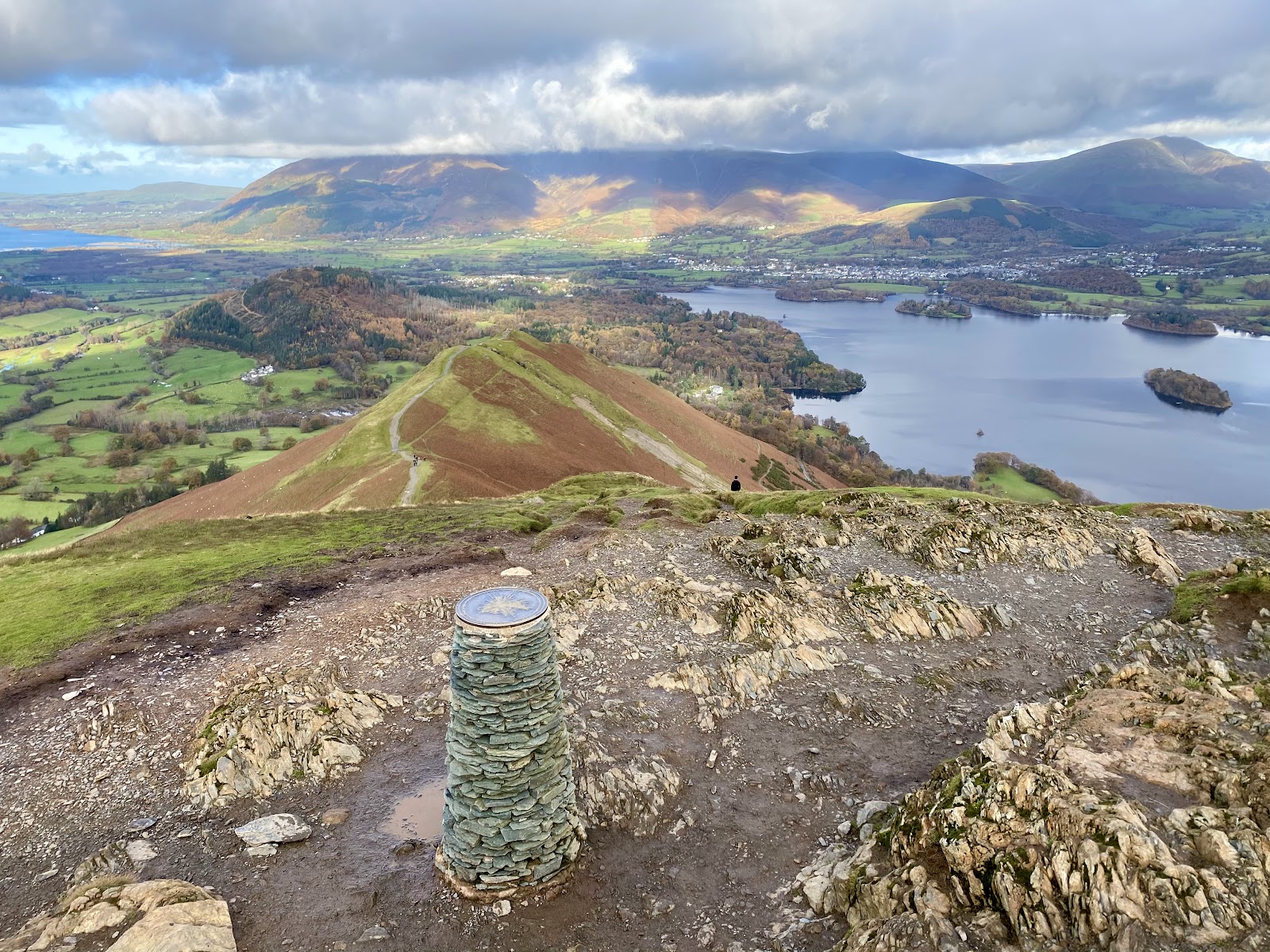
If you only climb one fell in the Lake District, make it Catbells. This modest peak (451 metres) on the western shore of Derwentwater offers one of the finest viewpoints in Lakeland for remarkably little effort. The ascent from the Hawse End car park takes about 45 minutes and is manageable for anyone with reasonable fitness, including older children.
From the summit, the panorama is superb: Derwentwater directly below, Borrowdale stretching south, Skiddaw to the north, and the distant profile of Helvellyn to the east. The path is well worn but rocky in places — boots are recommended.
Starting point: Hawse End car park on the Borrowdale road (limited spaces, arrive early in summer). Alternative: Take the Derwentwater launch to Hawse End and walk back to Keswick via the summit.
Visit Dove Cottage and the Wordsworth Museum
Dove Cottage in Grasmere was the home of William Wordsworth from 1799 to 1808 — his most productive years. The cottage is small, dark, and utterly atmospheric, preserved much as it was during the poet's residence. Guided tours bring the domestic details to life: the tiny rooms where Wordsworth, his sister Dorothy, and his growing family lived and worked.
The adjacent Wordsworth Museum houses manuscripts, first editions, and personal belongings, along with thoughtful exhibitions on the Romantic poets and their connection to the landscape. The combination of cottage and museum takes about 90 minutes.
Tickets: Around £10 for adults. Book online to guarantee entry, particularly in summer. Opening hours: Daily 10:00–17:00 (seasonal variations).
Explore Keswick
Keswick is the Lake District's most appealing market town, set between the shores of Derwentwater and the slopes of Skiddaw. The town has a good selection of outdoor shops, cafes, and pubs, a weekly market on Saturdays, and the quirky Pencil Museum (more interesting than it sounds — the area has a long history of graphite mining).
The lakefront is a short walk from the town centre, and the path around Derwentwater (about 10 miles) is one of the best low-level walks in the Lakes. The Theatre by the Lake, on the shore of Derwentwater, runs a year-round programme of drama and comedy.
Visit Hill Top — Beatrix Potter's Farmhouse
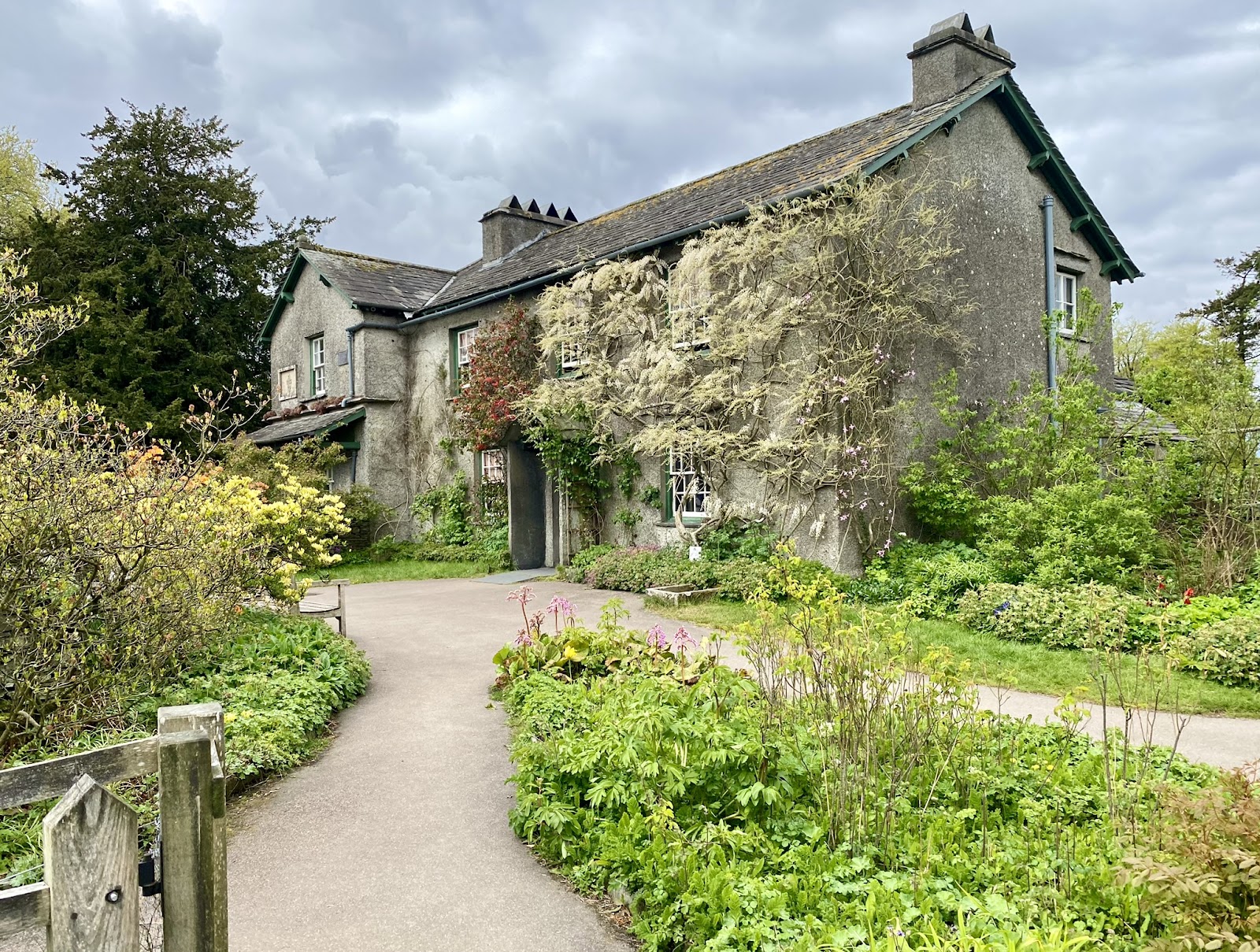
Hill Top, near the village of Near Sawrey, is the 17th-century farmhouse that Beatrix Potter bought in 1905 with royalties from her books and a legacy from an aunt. The house is preserved as she left it, filled with her furniture, china, and personal effects. Fans of the stories will recognise details from the illustrations throughout.
The farmhouse is small and managed by the National Trust with timed entry tickets, so booking in advance is essential in summer. The surrounding countryside — rolling fields, drystone walls, and the shores of Esthwaite Water — is quintessential Potter territory.
Tickets: Around £15 for adults (National Trust members free). Timed entry — book online. Getting there: A ferry crosses Windermere from Bowness to Far Sawrey, from where it is a 15-minute walk to Hill Top.
Drive (or Cycle) Over Honister Pass
The Lake District's mountain passes are among the most dramatic roads in England, and Honister Pass — connecting Borrowdale with Buttermere — is the most spectacular. The road climbs steeply through a landscape of slate quarries and bare fell, reaching 356 metres at the summit, before dropping into the Buttermere valley.
At the top, Honister Slate Mine offers underground tours and a Via Ferrata climbing experience along the cliff face. The views from the mine area are outstanding even if you do not go underground.
Practical tip: The road is narrow and steep with passing places. Confident driving is required, particularly in summer when traffic is heavy. Cycling Honister is a serious challenge but hugely rewarding.
Take the Steamer on Ullswater
Ullswater, often described as the most beautiful of the lakes, stretches seven miles from Pooley Bridge to Glenridding beneath the slopes of Helvellyn. The Ullswater Steamers have been running since 1859, and a cruise along the full length of the lake is one of the Lake District's great experiences.
The most popular route combines a cruise from Glenridding to Howtown with a walk back along the lakeshore — about seven miles of easy walking with constantly changing views. This is one of the finest low-level walks in England.
Tickets: A single from Glenridding to Howtown costs around £8. Timetables vary seasonally.
Wander Around Hawkshead
Hawkshead is one of the prettiest villages in the Lake District — a tangle of whitewashed cottages, cobbled squares, and narrow lanes where Wordsworth attended the local grammar school (now a museum). The village is car-free in the centre, which gives it a peaceful quality that Ambleside and Bowness sometimes lack.
Good pubs, a couple of decent tea rooms, and proximity to Hill Top and Tarn Hows make Hawkshead an excellent base for a quiet day.
Swim in Tarn Hows
Tarn Hows, between Hawkshead and Coniston, is one of the Lake District's most photographed spots — a man-made tarn surrounded by woodland with views across to the Langdale Pikes and Helvellyn. The circular walk around the tarn takes about 30 minutes and is suitable for pushchairs.
Wild swimming in Tarn Hows is popular in summer, though the water is cold enough to cause cold water shock even in August — enter gradually and never swim alone. The car park is National Trust managed and can fill up quickly on sunny weekends.
Practical Tips
- Getting around: A car is the most flexible option, but the Lake District also has a good bus network. The 555 bus connects Lancaster, Kendal, Windermere, Ambleside, and Grasmere. The open-top 599 between Bowness and Grasmere is scenic.
- Parking: National Trust car parks are free for members. Pay-and-display elsewhere — bring coins or use the RingGo app.
- Weather: The Lake District is one of the wettest places in England. Waterproofs and layers are essential year-round. A sunny morning can become a wet afternoon in minutes.
- Crowds: Bowness and Ambleside are busy year-round. For quieter experiences, head to the western lakes (Buttermere, Wastwater, Ennerdale) or visit midweek.